
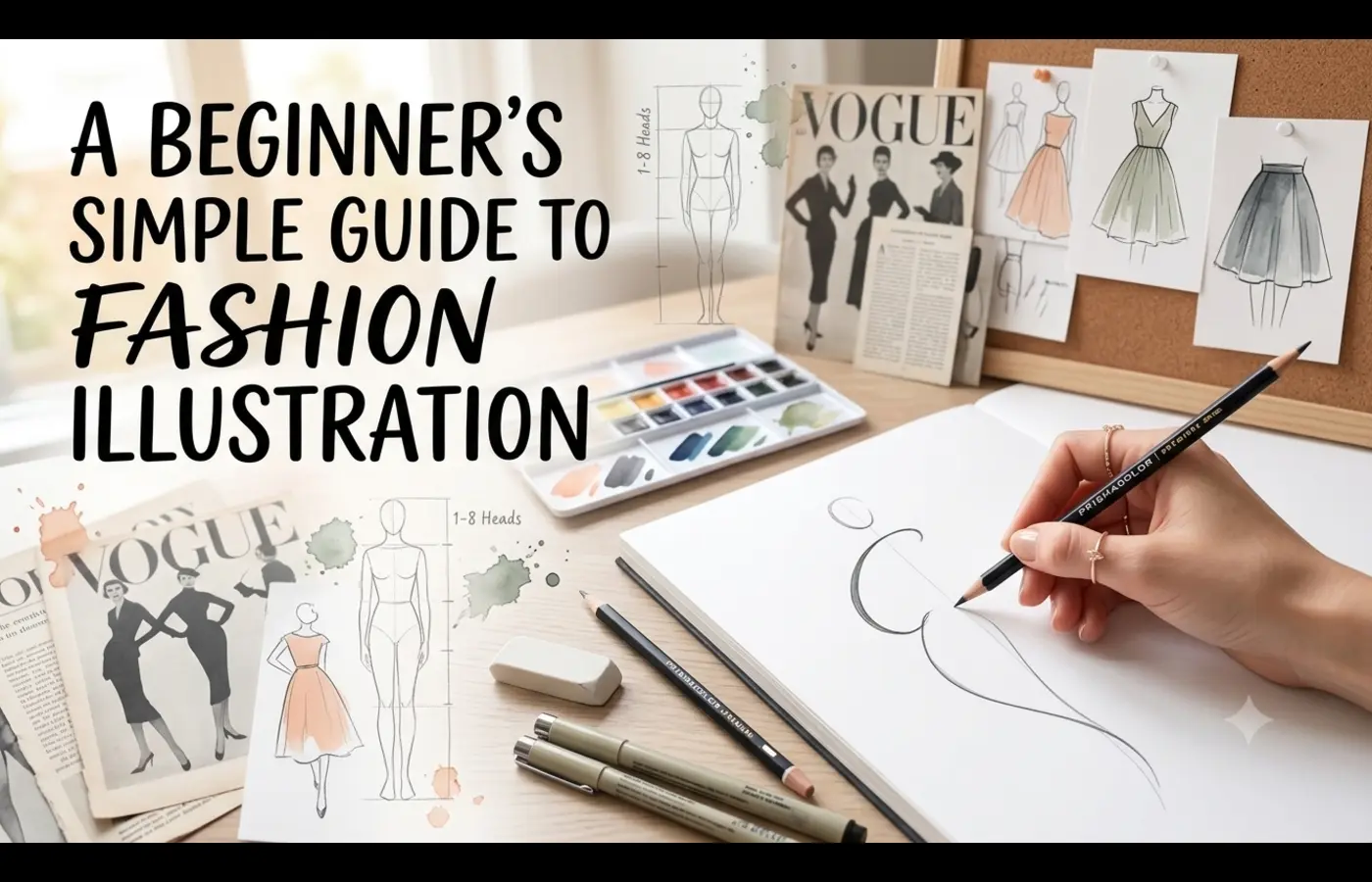
A Beginner’s Simple Guide to Fashion Illustration
Table of Contents
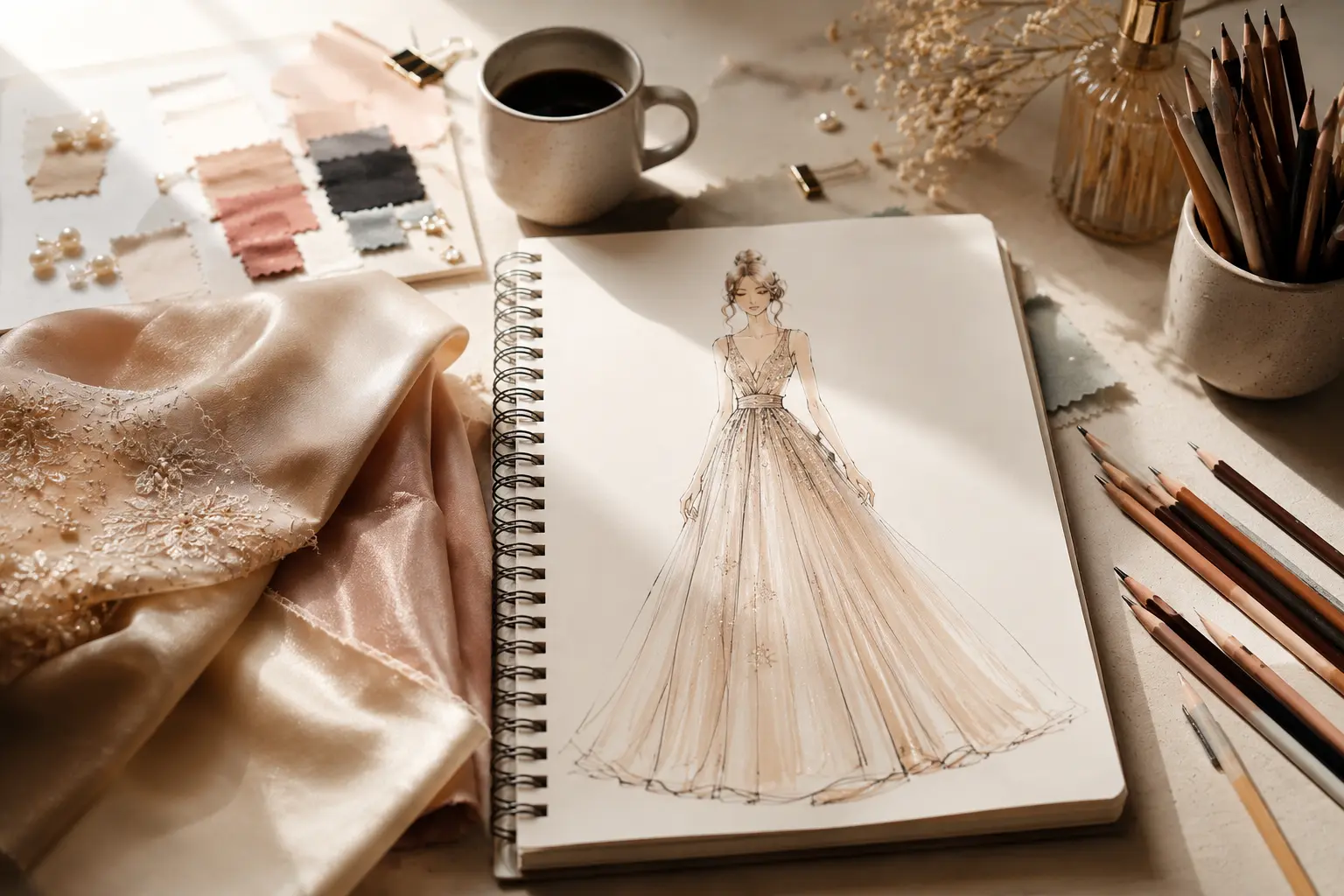
Fashion illustration looks intimidating before you start, and strangely simple once you actually begin. Most beginners assume they need natural talent or years of art school training. Neither is true. What actually helps is knowing where to start, what to practice first, and which habits slow people down without them realizing it. This isn’t about drawing perfect outfits on day one. It’s about building the basics in the right order, so your sketches start looking intentional instead of accidental. Here’s a simple, practical way to begin.
Where Beginners Should Actually Start
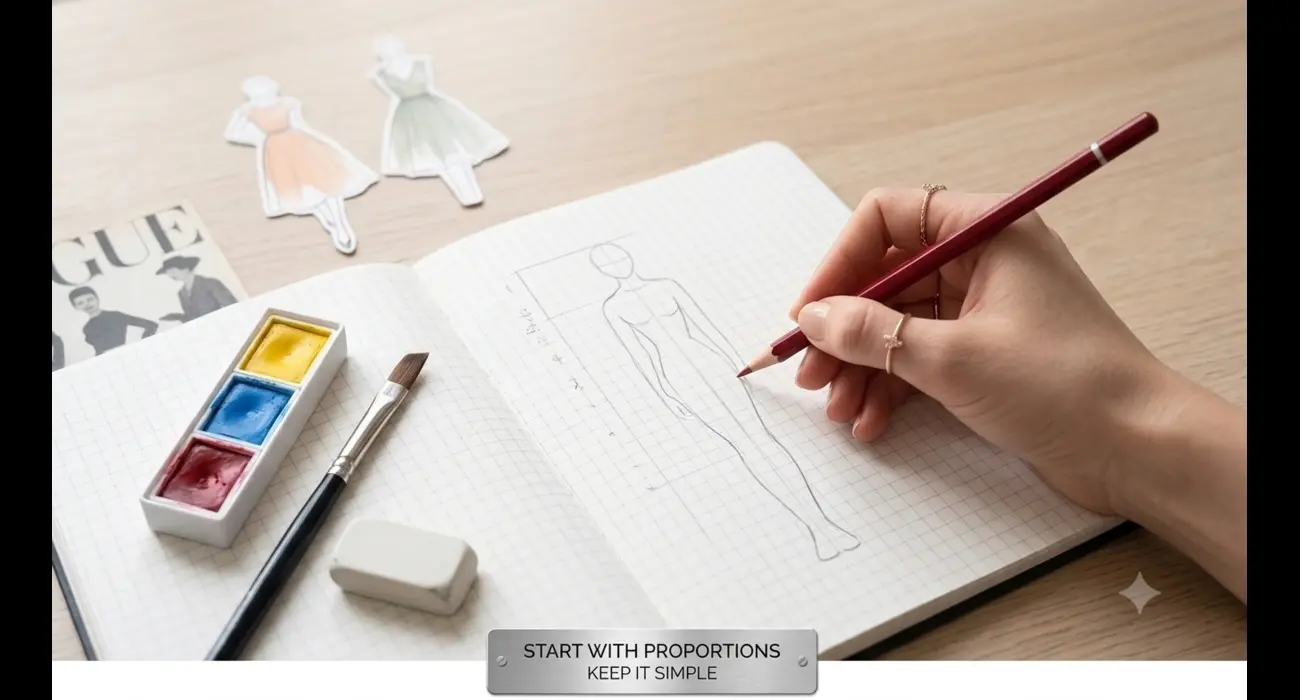
If you’re new to fashion illustration, the first hurdle isn’t skill. It’s not knowing what to draw first. Most tutorials jump straight into finished looks, full outfits, glossy shading, without covering the boring but necessary part: figuring out what a fashion figure actually looks like before you dress it.
Start smaller than you think you need to. Before outfits, before fabric texture, before any of the fun stuff, get comfortable with basic shapes and proportions. That’s the actual starting point, and skipping it is why many beginners feel stuck in the first week.
Getting Your Basic Figure Right
Fashion illustration relies on an elongated figure, usually called a croquis. It’s not meant to look like a real body. It’s a stretched-out template that makes clothes easier to draw around. Beginners often try to draw a realistic person first, then struggle to fit garments onto them. Working the other way around makes things simpler.
Focus on stance and balance first. A figure that’s leaning, walking, or shifting weight to one hip will make any outfit look more natural, even if your linework is rough.
Skip Perfect Faces First
Faces trip up a lot of new illustrators. Fashion figures usually need only a suggestion of a face; a few simple lines for eyes and a nose. Spending hours perfecting facial features early on slows down progress on the parts that actually matter for fashion drawing: posture, proportion, and how fabric sits on a body.
Simple Ideas Worth Practicing
Once the basic figure feels comfortable, practice ideas that build real skill instead of just filling pages. A few that consistently help beginners improve faster:
- Redraw one existing outfit from a photo, focusing only on how the fabric falls
- Sketch the same pose three times with three different garments
- Practice folds using simple objects like a scarf or jacket draped over a chair
- Copy poses from reference photos, not tracing, just observing angles and weight distribution
This is also usually the stage where people start looking for more structured guidance. A lot of beginners eventually pick up a couple of fashion illustration books once they’ve sketched enough to know what specific techniques they’re missing, whether that’s rendering fabric, drawing hands, or working with color. Books tend to be more useful at this point than at the very beginning, because now you actually know what questions to ask.
Common Slow-Down Mistakes
A few habits slow beginners down more than anything else:
Overworking a single drawing instead of moving on and starting fresh. Comparing early sketches to finished, polished portfolios online, which sets an unfair bar. Skipping basic proportion practice because it feels less exciting than drawing “real” outfits.
None of these mistakes is permanent. They’re just common, and knowing they’re common tends to make people less hard on themselves about early work that doesn’t look perfect yet.
Trying Other Styles Along the Way
Something that doesn’t get talked about enough: a lot of people who start with fashion illustration end up experimenting with other illustration styles before they settle into one. It’s a normal part of figuring out what you actually enjoy drawing.
A Weekend Detour That Actually Helps
Trying children’s illustration as a side project is more common than people expect, and it’s not really a detour at all. The skills overlap more than they seem to at first. Expression, simplified proportion, and clean linework all carry over between the two styles. Someone who’s been practicing fashion croquis for a few weeks might find that switching to children illustration for a weekend actually sharpens their line control and sense of character, both of which come right back into their fashion sketches.
If you find yourself curious about a different style, that’s not a sign you’re losing focus. It usually means your drawing instincts are developing in a healthy direction.
A Light Weekly Practice Plan
You don’t need hours of daily practice to improve. A simple, realistic structure works better in the long term:
- Two or three fresh sketches a week, focused on new poses
- One revisit of an older drawing to fix something specific
- One reference-based practice session, copying fabric folds or a pose
Consistency matters more than volume. A few focused sketches a week, done regularly, will move your skills forward faster than long, irregular sketching sessions that burn you out.
Fashion illustration is less about talent and more about repetition done with intention. Start with the figure, practice with purpose, and let your curiosity about other styles run its course. It usually ends up helping more than it distracts.
FAQs
Do I need to know how to draw before starting fashion illustration?
No. Basic figure practice and proportion work matter more at the start than natural drawing ability.
What should a beginner practice first in fashion illustration?
Start with the basic croquis figure and stance before moving on to outfits or fabric detail.
Are fashion illustration books helpful for beginners?
They’re more useful once you’ve practiced enough to know your specific gaps, like fabric folds or hands.
Conclusion:
Every illustrator you admire started with the same shaky lines and uncertain figures. The only difference is they kept sketching past that stage. Give your basics real practice time, stay curious about other styles along the way, and the progress will show up on its own, page by page.

My writing for ChildrenIllustration.co.uk delves into the area of creative book art for young readers. I’m interested in how pictures contribute to the development of characters, scenes, and emotions in a tale. My writings contain concepts that motivate writers, publishers, and artists alike. This place is dedicated to telling visually compelling stories.