
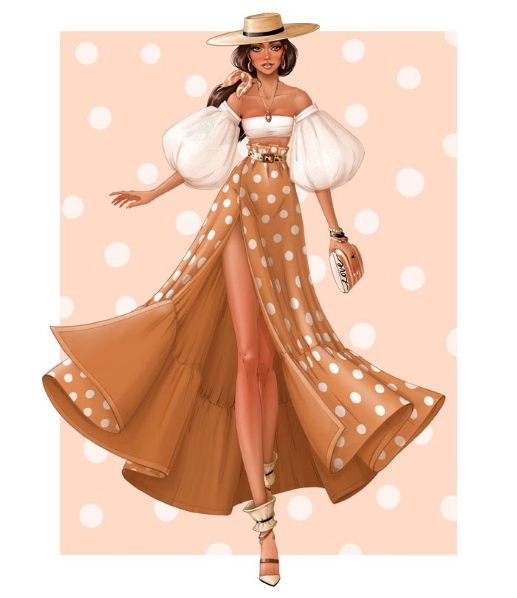
Fashion Illustration Book: 7 Smart Steps To Curate
Fashion Illustration Book: 7 Steps To Curate
Organizing your sketches, techniques, and inspiration is just about transforming your random drawings into an artistic or cohesive story. A fashion illustration book is an instructional guide, workbook, or portfolio for teaching how to visually communicate clothes designs through drawing, digital tools, or rendering. In this blog, you will learn easy steps to create your own fashion illustration book.
Creating an illustration book is an exciting and rewarding way to curate your designs, develop your personal style, or build a professional portfolio. A fashion illustration book is an essential tool for designers that teaches and provides inspiration, helps to improve technical skills for drawing, garment rendering, and accelerates the design process.
Why Create A Fashion Illustration Book?
Creating a fashion illustrator book is crucial to showcasing your personal style and building a professional portfolio. It can help you to track your artistic growth in your designing skills. You can use this book in schools for projects, to clients for orders, and on social media for personal branding.
Step-By-Step Process To Create A Fashion Illustration Book
Fashion illustration is all about being inspired by someone and filtering it through your own design. Here is the step-by-step process to create your own fashion illustration book.
1. Define Your Concept And Theme
The first step for creating a fashion illustration book is to define a clear theme, whether it is a seasonal fashion (summer, winter, etc), a cultural or historical inspiration, or a street style vs. a haute couture. You should choose niche themes for uniqueness and avoid broad concepts. Identify your audience according to your concept and niche themes, like:
- Fashion schools
- Personal passion projects
- Potential clients
2. Gather Your Material
Once you have decided on your theme, gather all the material required to create a book. It may include the following:
- Sketchbook or digital tablet
- Reference images or mood boards
- Pencils, markers, inks, and watercolors
Using traditional tools will ensure the originality and texture, while digital tools can help you with editing, sharing, and convenience.
3. Create Your Illustration
It is time to create your illustrations, begin with rough sketches, and focus on pose and structure, while not worrying about perfection. Start adding details and colors to the clothing texture, patterns, and accessories. Develop a consistent style for line work, color palette, and proportions. Ensure to practice daily, experiment with styles, and use references wisely.
4. Organize Your Book Layout
After creating all your illustrations, organize your book layout by theme, collection, and timeline. Add the supporting elements like:
- Title
- Caption
- Fabric notes
- Inspiration description
Ensure to keep your layout clean and readable, while avoiding overcrowded pages.
5. Digitize And Edit Your Book
Everything is now sorted; it is time to digitize and edit your book. Scan and photograph illustrations, adjust brightness, colors, and contrast. Here are the useful editing tips:
- Use simple editing apps
- Crop images neatly
- Maintain true colors
6. Compile And Format Your Book
Compile and format your book by choosing the right format, like a PDF for sharing online, a printed booklet, or a portfolio finder. Design your cover and include:
- Title of your book
- Your name or brand name
- Eye-catching illustration
First impression of your book matters the most, so ensure the right cover and keep your branding consistent across the entire book.
7. Print Or Publish Your Book
The last step is to print and publish a book. The most common printing options are home printing or printing shops. Publish it digitally by uploading it to the portfolio platforms and sharing on social media. Ensure you check the printing quality before printing in bulk. Must use high-resolution images to make it just like the famous illustrated books for children in UK.
Common Mistakes You Should Avoid
Designers often make common mistakes that can become a barrier to success. Here are some common pitfalls you should avoid when creating your fashion illustration book.
- Avoid overcrowding the pages, as it can lose the interest of the people.
- Using an inconsistent style can create a distraction.
- Don’t use poor-quality images, which can lack readability.
- Lack of theme or direction can overwhelm the reader.
- Avoid just focusing on quantity, but also focus on quality.
- Keep refining your work consistently.
Tips For The Success Of Your Illustration Book
Here are a few tips you can use for your illustration book for successful publishing and launch.
- Stay consistent with the branding throughout your illustration book.
- Keep practicing to improve your skills.
- Seek feedback from others to refine your book.
- Update your book regularly.
Frequently Asked Questions
1. What are the best pens for inking?
The best pens for inking are the waterproof Pigma micron and copic multiliners, which will not smudge when you sketch markers or watercolors on top of them.
2. Can I include unfinished sketches?
Yes, you can absolutely add unfinished sketches to your illustration book. Including gesture drawings, rough sketches, and studies can lead to authenticity and the gesture of the process of your book.
3. What should the cover look like?
The cover should be designed with a collage or a central, finished illustration, featuring a high-contrast focal point that hints at the story’s mood, characters, theme, and tone of the entire book.
4. Should I have to be a professional illustrator to create a book?
No, you don’t need to be a professional to craft an illustration book. You just need to learn some skills and start with basic sketches to improve over time.
Final Thoughts
Crafting a professional fashion illustration book is an art, and creativity matters more than perfection. It can help you showcase your designs and portfolio to the school, client, social media, and for projects.
You just need to follow the right steps to create your fashion illustrator book: first, define your theme and identify your target audience, gather material for design, and create an illustration. Organize your book layout, digitize and edit it, compile and format it, and print and publish it. Avoid common mistakes such as overcrowded pages, inconsistent style, poor-quality images, lack of theme, and focusing only on quantity. Follow the tips to stay consistent, practice for improving skills, seek feedback, and update regularly.

My writing for ChildrenIllustration.co.uk delves into the area of creative book art for young readers. I’m interested in how pictures contribute to the development of characters, scenes, and emotions in a tale. My writings contain concepts that motivate writers, publishers, and artists alike. This place is dedicated to telling visually compelling stories.