
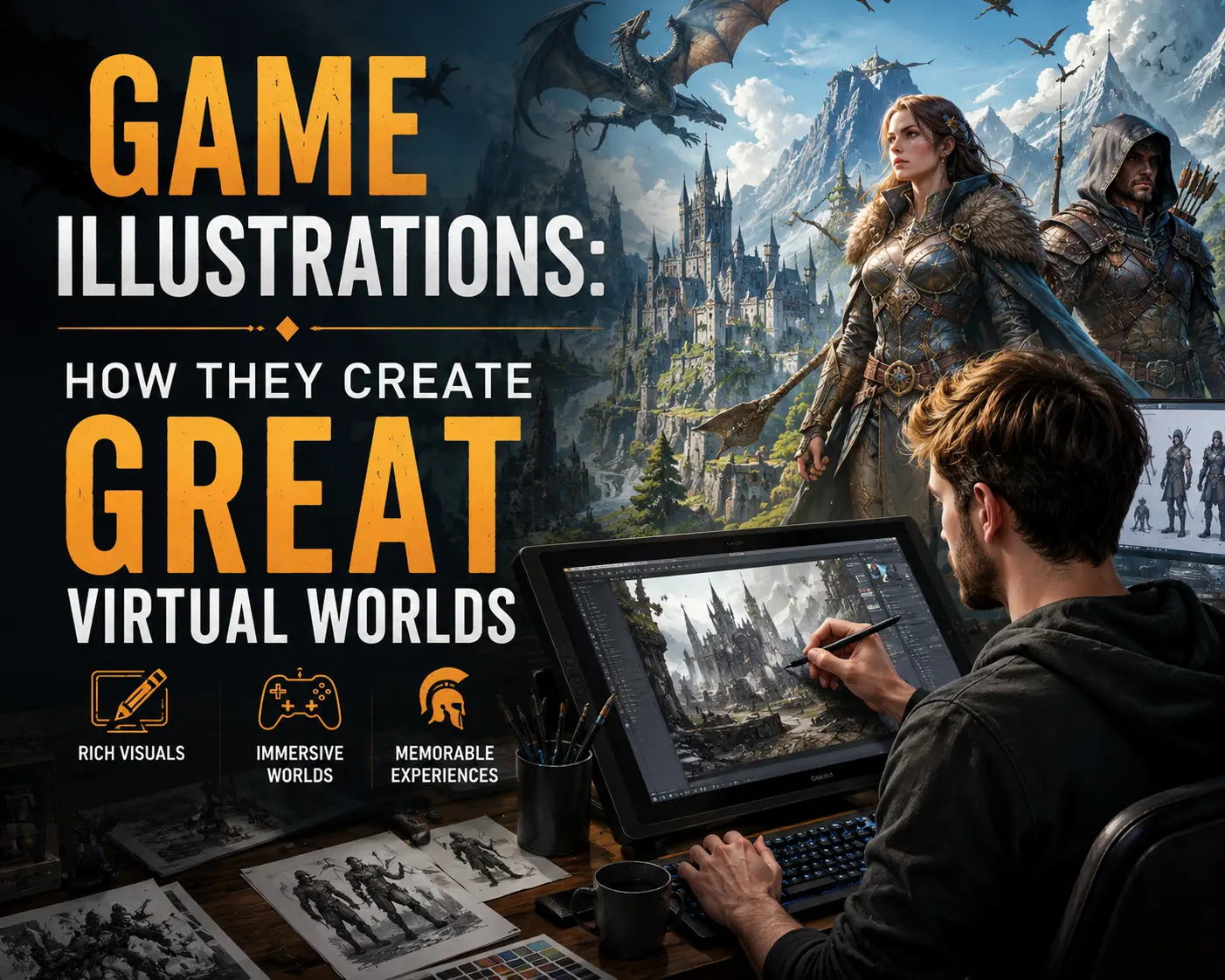
How Game Illustrations Build Game Worlds
Table of Contents
What makes such game environments seem so real and believable? The detailed drawings
include different cultural traditions, realistic weather systems, and architectural designs that
turn the two-dimensional geometry into a mythical environment beloved by gamers.
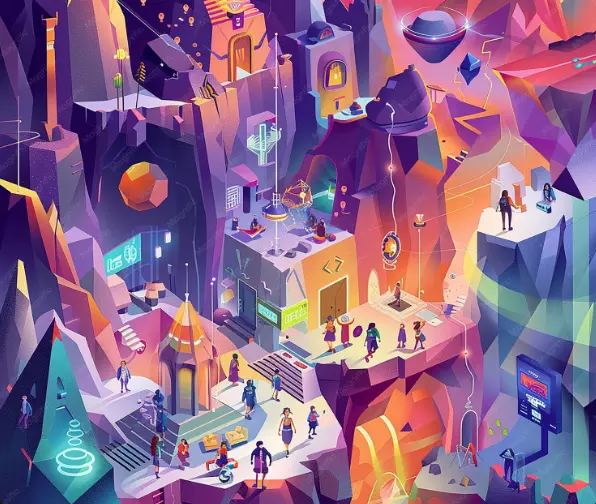
Close your eyes and imagine your favorite video game. The first thing you’ll think of is probably
not the controls, but the gaming world.
The high towers, the mysterious woods, the futuristic cities, the colored villages, or the dark
underground caves remain in your mind even after you are done playing.
All the landscapes, characters, objects, and small elements of the artwork are meticulously
crafted to give the player the illusion of a real world.
Every incredible gaming experience has a strong illustration behind it, which converts ideas into
amazing experiences.
Transform Ideas And Concepts Into The Real Worlds
All great games start with an idea.
This idea could be written as a concept, but it is felt through the players’ vision. Artists turn
rough ideas into believable environments that have personality, atmosphere, and emotion.
All illustrations from the initial sketch to the final design convey the setting of the game before
the first line of dialogue is even drafted.
Tell Powerful Stories Without Using Words
Sometimes words are not needed; a picture is worth a thousand.
The darkness of the sky sets a mood of tension. Bright colours communicate safety. The ruins of
the buildings hint at a past era. Comfort is provided by warm lighting.
Players can grasp emotions instantly without lengthy explanations, enhancing the overall
experience and engagement throughout the game.
Build Deeper Bonds With Each Character
Players recall characters to whom they relate emotionally.
Characters are identified by their facial expressions, attire, posture, hues, and graphical
attributes.
Even before characters speak, strong illustrations convey confidence, fear, kindness, mystery,
and humor. This visual link enhances storytelling throughout the game.
Make More Immersive Experiences With Professional Artwork
Successful game illustrations are an integration of storytelling, environment design, character
development, lighting, and composition.
The professional illustrations don’t just make a game look pretty; they evoke emotions, set the
tone for a scene, make the surroundings feel realistic, and contribute to creating a memorable
interactive experience player can truly explore.
Create Memorable Environments That Encourage Exploration
Pretty scenery gives rise to curiosity. Players are allowed to explore worlds that look interesting,
detailed, and believable.
There are hidden paths, special landmarks, weather variations, and well-designed landscapes that encourage players to explore and offer an incentive for paying attention.
Good design creates the illusion of excitement in the exploration of the world.
Use Visual Details To Enhance Storytelling
Often, there are bigger stories behind the small visual elements.
A neglected house, a broken-down statue, an old map, or an overlooked campsite shares a part
of history but does not distract from gameplay.
The environmental features enable players to discover the story of the game naturally, while
ensuring that each location feels real.
Strengthen World Building Through Consistent Art Direction
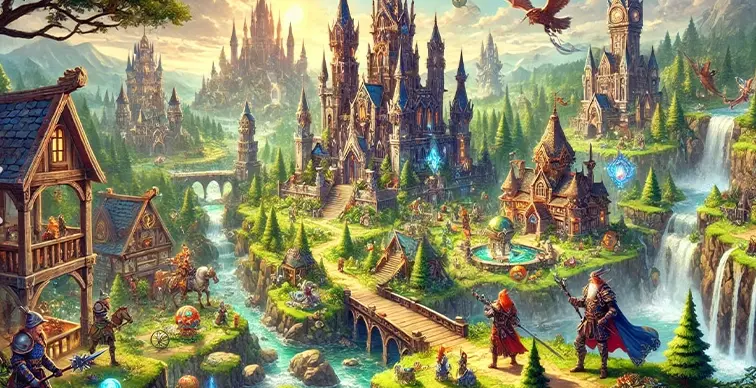
Consistency creates immersion.
All buildings, objects, costumes, creatures, and landscapes should be in the same artistic style.
The use of the same color, texture, proportions, and design language allows players to feel that all the elements are part of the same fictional universe.
Consistency in the visuals adds to the world-building.
Guide Players Naturally Through Visual Design
Effective illustrations subtly guide the player’s attention.
Lighting, color contrasts, pathways, architecture, and environmental composition naturally lead players to significant objectives without too much instruction.
Visual cues enhance gameplay and maintain the fun and ease of exploration.
Unlock Creativity Through Artistic Learning
Many budding illustrators start with an interest in digital illustration from children’s books and
visual narratives.
Famous Illustrated Books For Children In UK teaches beginners about color harmony, composition, character design, and imaginative world building before applying those creative principles to the world of contemporary game art and interactive entertainment.
Bring Fantasy Worlds To Life
A good fantasy is one in which things make sense and click within themselves.
Every magical world has artistic rules that must be obeyed properly.
The culture and history of the fictional setting should be reflected in architecture, landscapes, creatures, technology, and clothing.
Realistic design makes for a more immersive experience of the extraordinary worlds.
Support Gameplay With Functional Visual Design
Appearance isn’t the only factor in illustration.
Players use visual information to identify hazards, useful items, environments, and solve puzzles. The best art is not only aesthetically pleasing, but it also enhances the clarity of gameplay.
Useful design enhances the player experience.
Keep Players Engaged Through Visual Variety
After a few repetitions, it becomes apparent.
As the players work their way through the games, new environments, architecture, weather,
creatures, and visual themes are introduced.
The visual variety helps keep the curiosity alive and aids the players in exploring the world further. New settings keep people engaged for a longer period of time.
Build Gaming Worlds Players Never Forget
It’s easy to forget the mechanics before forgetting the worlds.
Strong visual design evokes emotional experiences that stay with the players even after they have finished playing the game and makes iconic environments memorable.
The allure of beautiful illustrations brings ordinary gameplay to unforgettable adventures,
which continue to inspire fans for years.
Inspire The Next Generation Of Game Artists
Many beginners start with Game Illustration Basics for Young Artists, which covers the basics of sketching, perspective, colour theory, environment design, and digital painting.
These basic abilities are essential for crafting strong concept art, animation, and illustration skills, which are vital for future roles in professional game development.
FAQs
In what ways do game illustrations enhance player experience?
Game illustrations offer convincing landscapes, memorable characters, and captivating visual narratives. They contribute to the player’s understanding of the world, awareness of significant aspects of the game, and emotional engagement with the adventure.
What skills do you require to be a game illustrator?
Anatomy, perspective, composition, storytelling, digital painting, colour theory, and drawing skills are all important assets to a game illustrator. Artists can also learn concept art, environment design, and visual communication, which are essential to creating environments that enhance the gameplay and align with the vision of game developers and studios.
What is the significance of world building in the creation of games?
World building provides a believable setting where each location, character, object, and event is connected. A well-designed world enhances the storytelling, fosters exploration and gameplay, and evokes emotions, making the experience more memorable and fun.
Is it possible for the novice to learn game illustration?
Yes. Game illustration skills can be gradually built over time with practice, online tutorials, digital art software, and by analyzing professional artwork. Before moving on to character design, environments, lighting, and color, learning basic drawing skills helps to develop a solid art background to improve on later.
What type of software do illustrators use for video games?
Adobe Photoshop, Procreate, Clip Studio Paint, Blender, and Adobe Illustrator are some of the software that professional game illustrators use. It’s a matter of preference, but knowing the basics of art is more significant than having any particular piece of software to make great game art.
Conclusion
Some great artists take an idea and make it into a believable, emotional, and personal world that will stay with you forever.
Illustrations assist in the telling of the story, help with the gameplay, aid with character design, and make environments believable and fun to explore.
With the constant evolution of gaming technology, creative illustration will continue to be a significant element in creating memorable, interactive experiences that captivate audiences around the globe.

My writing for ChildrenIllustration.co.uk delves into the area of creative book art for young readers. I’m interested in how pictures contribute to the development of characters, scenes, and emotions in a tale. My writings contain concepts that motivate writers, publishers, and artists alike. This place is dedicated to telling visually compelling stories.